Our Consortium
PARTNERS
CUONTRIES
UNIVERSITIES
RESEARCH INSTITUTIONS
PRIVATE SECTOR
UNESCO WORLD HERITAGE
INTERGOVERNAMENTAL ORGANITATIONS
NGO
Universitat de València, Spain

The University of Valencia is a public research university located in the city of Valencia, Spain.
It is one of the oldest universities in Spain, and the oldest in the Valencian Community. It is regarded as one of Spain’s leading academic institutions. The university was founded in 1499, and currently has around 55,000 students. The University of Valencia encourages research, both basic and applied, and the scientific and technological development. Likewise, with its own guarantees of rationality and universality, it is an institution that spreads culture within society. The University of Valencia offers, stimulates and hosts intellectual and critical activities in all fields of culture and knowledge.
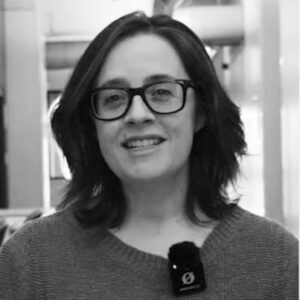
Cristina Portalés
Professor, Project Coordinator
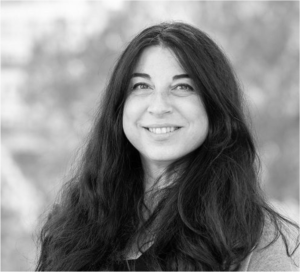
Ester Alba
Professor, Dissemination and Exploitation Manager
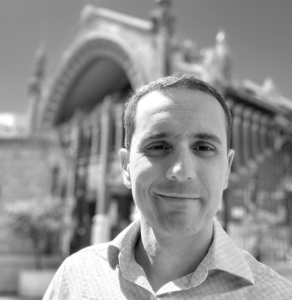
Sergio Casas
Professor, ICT Technical Manager
Álvaro Solbes
Senior Researcher, SSH Technical Manager
Ignacio Pérez
Researcher
Mar Gaitán
Senior researcher
Belén Palma
Researcher

Arabella León
Junior researcher

Alejandra Nieto
Senior Researcher
Marcos Fernández
Professor
Marisa Vázquez
Professor
Gianni Gallello
Distinguished Researcher
Laya Targa
Researcher - PhD student
Esperanza Villuendas
Researcher - PhD student
Josep Alemany
Researcher

Carmen Cano
Researcher - PhD student
Patricia Picazo
Researcher - Assistant Professor
ICCROM, Italy

ICCROM is an intergovernmental organization with a unique mandate to promote the conservation of all types of heritage for people everywhere.
It provides its Member States with world-class tools, knowledge and skills to tap into heritage’s potential to shape a better future. Created in 1956 in response to the urgent need to reconstruct cultural property in the aftermath of the Second World War, its mandate continues to be as important today as it was at the time of its founding.
Rohit Jigyasu
Project Manager, PI
Jennifer Copithorne
Unit Manager
Camilla Ravetto
Communications Officer
Noémie Gabay
Consultant
Università degli studi di Palermo
The University of Palermo (UNIPA) stands as a well-established cultural, scientific, and educational institution in central-western Sicily.
With 16 departments, UNIPA covers vital domains of contemporary scientific and technological knowledge. Researchers at Palermo University diligently explore solutions to the inquiries posed by nature, science, and society. From Information Technology and Biology to Mathematics, Medicine, Social Sciences, and Preservation of Cultural Heritage, the university actively contributes to innovation and progress within the international scientific community and the world of production.
Franco Palla
Professor, PI
Valentina de Felice
Professor
Barabara I. Manachini
Professor
Stefana Milioto
Professor
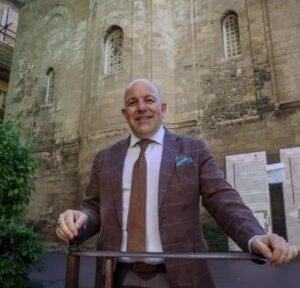
Giovanni Travagliato
Professor
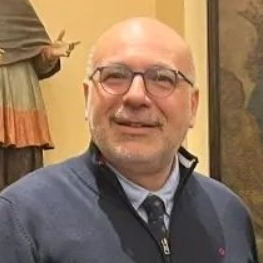
Maurizio Vitella
Professor
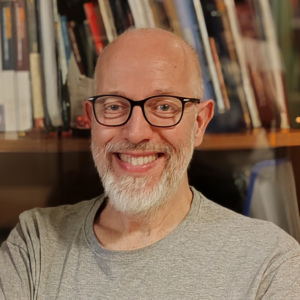
Bartolomeo Megna
Professor
Francesco Di Paola
Professor
Sabrina Sottile
Conservator
National Conservation Area “St. Sophia of Kyiv” (NCA-SSK) , Ukraine
The National Conservation Area, “St. Sophia of Kyiv”, is a museum complex that combines 77 architectural monuments.
The monuments of the conservation area are the main objects of the tourist routes of Kyiv and Crimea. The activity of National Conservation Area “St. Sophia of Kyiv” has been highly praised by the world public: in 1987 the International Jury of the Hamburg Foundation (Germany) awarded the Reserve the European Gold Medal for Historic Monuments Conservation. In 1990, Saint-Sophia Cathedral and related 18th century monastic buildings were inscribed on the UNESCO World Heritage List. The main activities of the National Conservation Area are: conservation, restoration, rehabilitation, science, research, methodology, archive, exposition, education and more. Furthermore, the National Conservation Area is conducting strategies related to the nomination of monuments – St. Cyril’s and St. Andrew’s Churches and the Sudak Fortress – to the UNESCO World Heritage List.
Nataliia Tymoshenko
Conservator, PI
Serhii Trofymchuk
Conservator
Tetiana Polonska
Conservator
Roman Gutsulyak
Conservator
Nadiia Molochkova
Conservator
Larysa Nishchuk
Conservator
Oksana Kovalska
Conservator
Snizhana Pavlova
Conservator
Consiglio Nazionale delle Ricerche – Institute of Atmospheric Sciences and Climate, Italy
The National Research Council (CNR) is the largest public research institution in Italy and the only one under the Research Ministry performing multidisciplinary activities.
Founded as legal person on 18 November 1923, the CNR’s mission is to perform research in its own Institutes, to promote innovation and competitiveness of the national industrial system, to promote the internationalization of the national research system, to provide technologies and solutions to emerging public and private needs, to advise government and other public bodies, and to contribute to the qualification of human resources. In the CNR’s research world, its main resource is the available knowledge which means people, with their skills, commitment and ideas. This capital comprises more than 8 000 employees, of whom more than half are researchers and technologists. Some 4 000 young researchers are engaged in postgraduate studies and research training at CNR within the organization’s top-priority areas of interest. A significant contribution also comes from research associates: researchers, from Universities or private firms, who take part in CNR’s research activities.
Alessandra Bonazza
Senior researcher, PI
Stefano Dietrich
Senior researcher
Alessandro Sardella
Researcher
Antonio Della Valle
Researcher
Fernanda Prestileo
Researcher
Virna Meccia
Researcher
Dario Camuffo
Research Associate
Gottfried Wilhelm Leibniz Universität Hannover, Germany

The spirit of Leibniz. As one of the nine leading universities of technology in Germany, Leibniz University Hannover is aware of its responsibility to contribute to identifying sustainable, peaceful and responsible solutions to the key issues of tomorrow. Our expertise for doing this stems from our broad spectrum of subjects, ranging from engineering and natural sciences to architecture and environmental planning, from law and economics to social sciences and humanities. On 1 January 2024, sponsorship of the university was transferred to a foundation under public law (Gottfried Wilhelm Leibniz Universität Hannover Public Law Foundation).
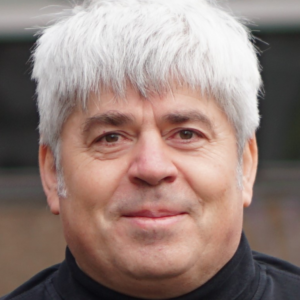
Franz Rottensteiner
Professor, PI
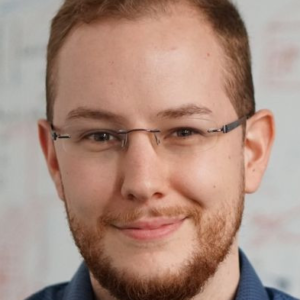
Max Mehltretter
Researcher
Samer Abualhanud
Researcher
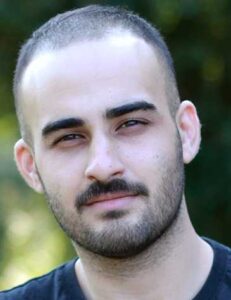
Mohammadreza Heidarianbaei
Researcher
4D-IT GmbH, Austria

4D-IT GmbH is a reliable partner in 3D-surveying. Our goal is precise 3D-documentation of objects at any scale with the latest technology and the highest quality. Camera-based and LiDAR sensors are used for this task. 4D-IT relies on a decade of experience in research and development at the Vienna University of Technology to implement customer-oriented
solutions.
Since 2011, UAV-based surveying systems are used. In 2013, the world-wide first UAV-based platform for laser scanning was presented and the 4DU-Scanner has been used since 2018 for both, research projects and service providing. The entire process from data acquisition to
photorealistic real-time application is covered. WebGIS solutions are offered as a basis for providing the results. 4D-IT is sales partner of Phase One Industrial cameras, Applanix navigation solutions, and Piql long term archiving solutions. Within recent research projects, various sensor integrations for vegetation mapping have been realized (e.g. georeferencing for multispectral camera, hand-held forest inventory scanner). Since 2024, 4D-IT is leading an international research project on the application of earth observation data for wetland monitoring.
Within the ChemiNova project, 4D-IT is responsible for the implementation of enhanced-3D-models and drone based Reflectance Transformation Imaging (RTI) application.
Peter Dorninger
CEO, Senior Researcher

Clemens Nothegger
CEO, Senior Researcher
University of Burgundy (UB), France

The University of Burgundy’s roots run deep within the history of France.
uB’s origins date back to the French monarchy, with the founding of the Dijon faculty of law in 1722, at the instigation of King Louis XV of France. After the French Revolution, between 1805 and 1809, Emperor Napoleon I of France founded the faculties of Science, Arts and Medicine, at the heart of Dijon. In the 1950’s – over 150 years later – the entire University and its new faculties settled on the beautiful current campus, situated at the doors of the city centre. Over the past 20 years, five other campuses have been created all across Burgundy. Each one of them contributes to making uB the leading higher education and research institution in the region. The ImViA laboratory comes from the Electronics, Computer and Image Laboratory (Le2i), a research laboratory under the supervision of the University of Burgundy from 1996 to 2018, Arts et Métiers ParisTech from 2014 to 2017 and the CNRS from 2001 to 2017.
Research thematic of ImViA laboratory is Artificial Vision. The lab is centered around three teams: CORES, IFTIM and VIBOT.
Alamin Mansouri
Professor, PI
Fan Yang
Researcher
Mathieu Rosse
Researcher

Ram Luxman
Researcher

Deivid Botina
Researcher
Schloß Schönbrunn Kultur- und Betriebsges.m.b.H., Austria
Schönbrunn Palace is one of Austria’s most important cultural assets, and since the 1960s has been one of Vienna’s major tourist attractions, drawing millions of visitors each year. At the 20th session of the World Heritage Committee held in December 1996, Schönbrunn Palace was put on the list of UNESCO World Cultural Heritage Sites, an institution founded in 1972. Inclusion in this list confirms the importance of the palace and its gardens as a unique Baroque ensemble.
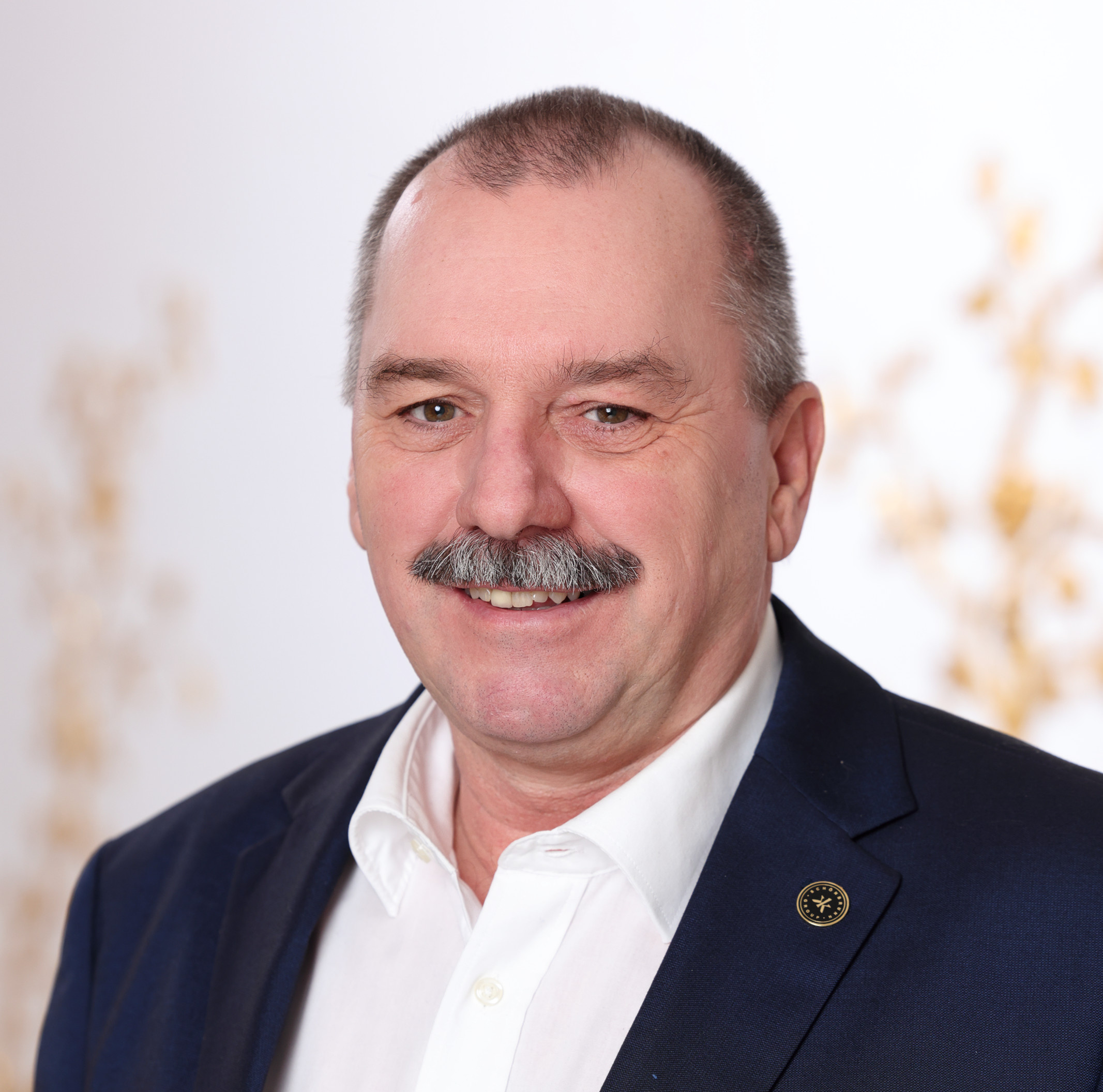
Herbert Polsterer
Director, PI
Diadrasis, Greece

Diadrasis takes action on the protection, conservation and awareness of unrevealed Cultural Heritage. Diadrasis comes from the Greek word διάδρασις that means interaction and that is what we are and how we work. The different working backgrounds of the core team, Conservator of Antiquities, Architect and Art Historian, Archaeologist and Heritage Manager create a fertile ground for interaction and different projects of learning by doing.
Laura Melpomeni Tapini
Managing Director, PI
Ourania Kordali
Researcher
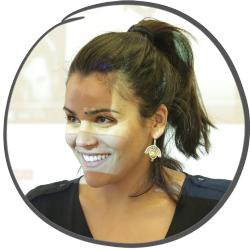
Lydia Drolia
Educational Programms Manager
Technical University of Cluj-Napoca, Romania

The Technical University of Cluj-Napoca, an “Advanced Research and Education University” as awarded with the Order of the Ministry of National Education no 5262/September 5th 2011, is today a tertiary educational institution having both tradition and national and international recognition. With a strong belief in the value of international exchanges, The Technical University of Cluj-Napoca has currently over 400 inter-university collaboration agreements and has carried out a large number of student mobilities. Opening up towards the European and global education and research, a steady process of internationalization is one of the major objectives of the university.
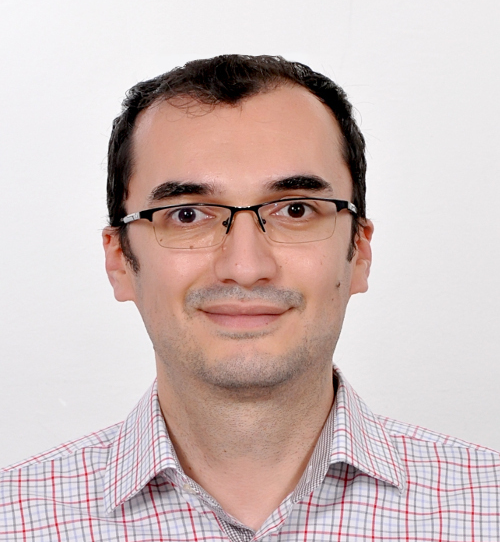
Teodor Stefanut
Associate Professor, PI
Dorian Gorgan
Professor
Adrian Sabou
Lecturer
Constantin Nandra
Lecturer
Raul Gorgan
Student
ART+COM AG, Germany

At the ART+COM Studios in Cologne and Berlin, we use new media to design and develop installations, objects and spaces in both analogue and digital format. We create environments that allow people to enjoy experiences that would otherwise be unimaginable in everyday life. We use new technology as a means of artistic expression, as a medium for interactive communication and for sensory experiences. We augment the visitors’ capabilities and show them new ways to interact with the world. Enabling people to do this is what drives us. We see our research and development work as a source of inspiration and a basis for experimentation when designing innovations. We also use it as a decision-making tool when we look for cutting-edge interfaces and new forms of interaction and communication. By taking this approach in previous projects, we have created generative applications and computational reflectives. It has also helped us find new solutions in augmentation and interactive surfaces.
.
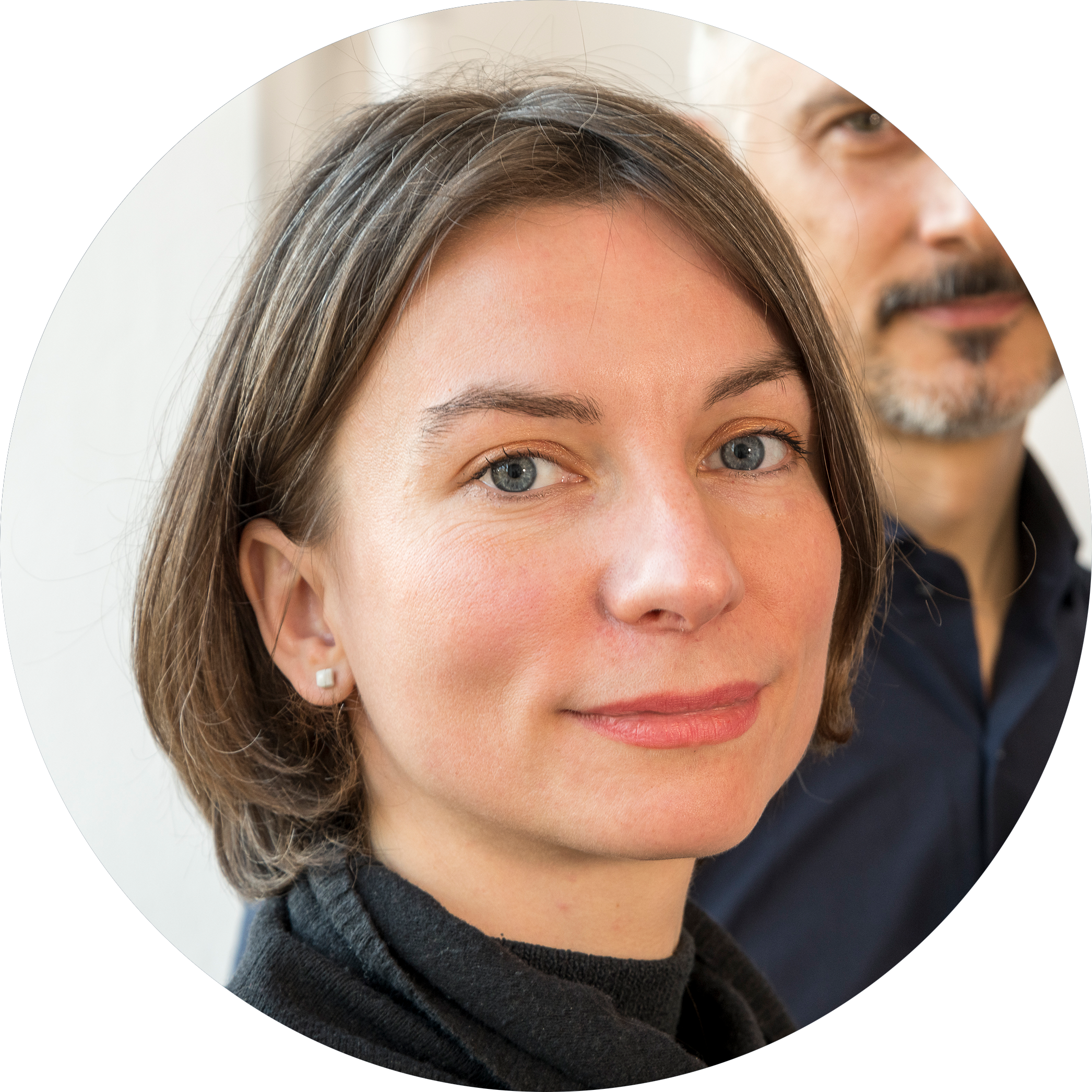
Ewelina Dobrzalski
Researcher
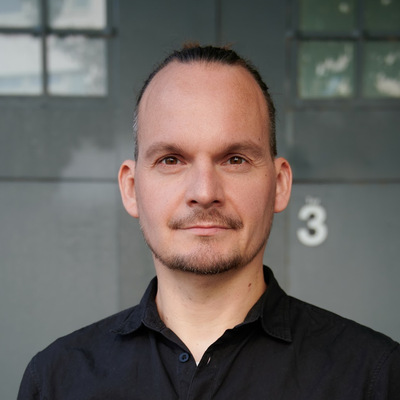
Jürgen Geuter
Researcher