A Hub for Innovation and Interdisciplinary Learning
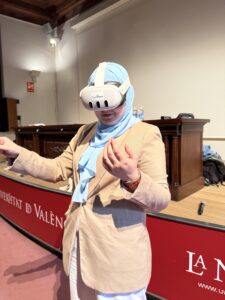
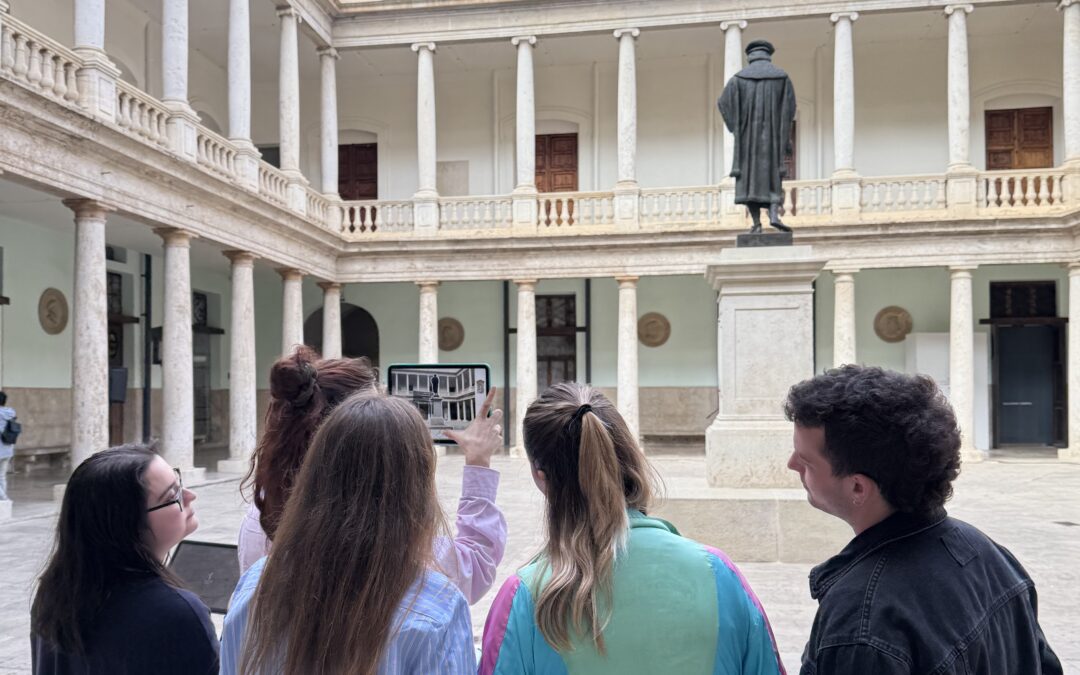
From 4 to 10 April 2025, ChemiNova Summer School brought together early-career professionals and students from diverse backgrounds to explore innovative scientific methods for the conservation and monitoring of cultural heritage. Delivered in a hybrid format, the programme combined three days of online masterclasses with a dedicated in-person training session at La Nau, the historic campus of the University of Valencia, Spain.
The Summer School focused on equipping participants with the skills and knowledge needed to assess and manage material risks to cultural heritage. These covered chemical and physical diagnostics, remote sensing, and the use of digital tools, ensuring participants engaged with advanced technologies—gaining both theoretical knowledge and practical skills for integrating these tools into conservation and preventive strategies.
Presentations from international experts highlighted the role of science and innovation in preserving cultural heritage in a rapidly changing environment. Case studies and live demonstrations provided participants with hands-on experience in using non-invasive analysis and remote monitoring systems.
An interdisciplinary learning community
The Summer School welcomed 46 participants from a wide range of disciplines—including conservation, chemistry, engineering, data science, archaeology, and visual communication. This interdisciplinary mix created a dynamic and collaborative learning environment where participants could exchange ideas, challenge perspectives, and strengthen cross-sectoral cooperation.
The in-person session in Valencia gave selected participants the opportunity to apply concepts learned during the online phase in a hands-on setting. Practical exercises and group discussions focused on:
- Integrating digital diagnostics into conservation workflows
- Interpreting and applying data in decision-making
- Exploring the potential of interdisciplinary partnerships in advancing heritage science
Looking ahead
Building on the success of this edition, partners are already discussing future iterations of the ChemiNova Summer School. The initiative is part of a growing portfolio of training opportunities that aim to prepare cultural heritage professionals for the evolving challenges posed by climate change, environmental risks, and technological transformation—ensuring cultural heritage endures for generations to come.