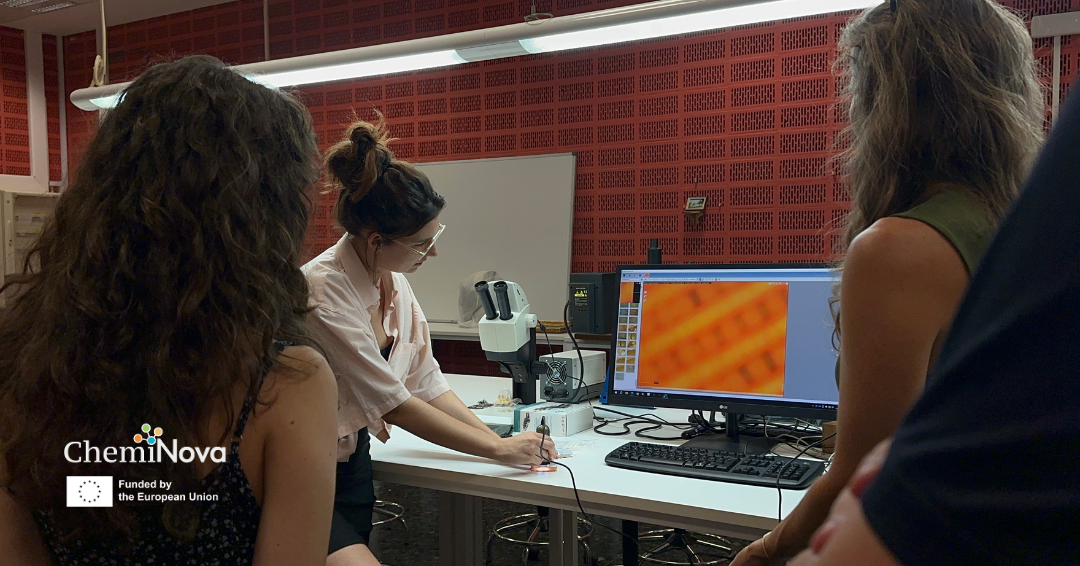
The ChemiNova consortium recently participated in the VII ALCESXXI Conference, where members of the project delivered the three-session workshop “The Scars of Water: Heritage, Memory and Citizen Participation in the Face of Climate Emergencies.” The workshop formed part of the conference’s practical programme and provided an opportunity to engage with participants from diverse academic and professional backgrounds.
The workshop combined advanced heritage technologies with participatory methodologies to demonstrate how digital innovation and community engagement can complement one another in the protection of cultural heritage.
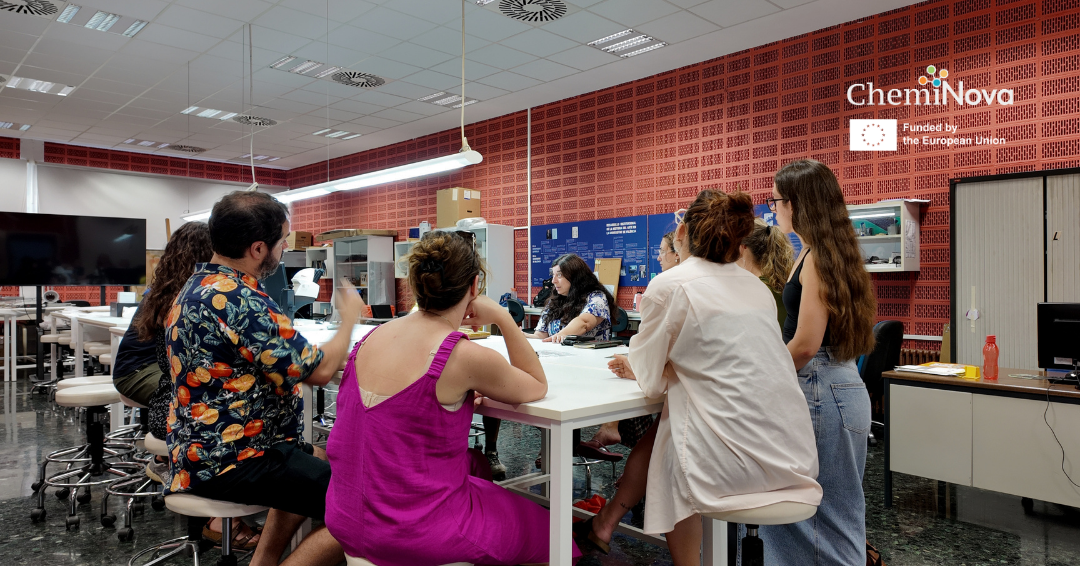
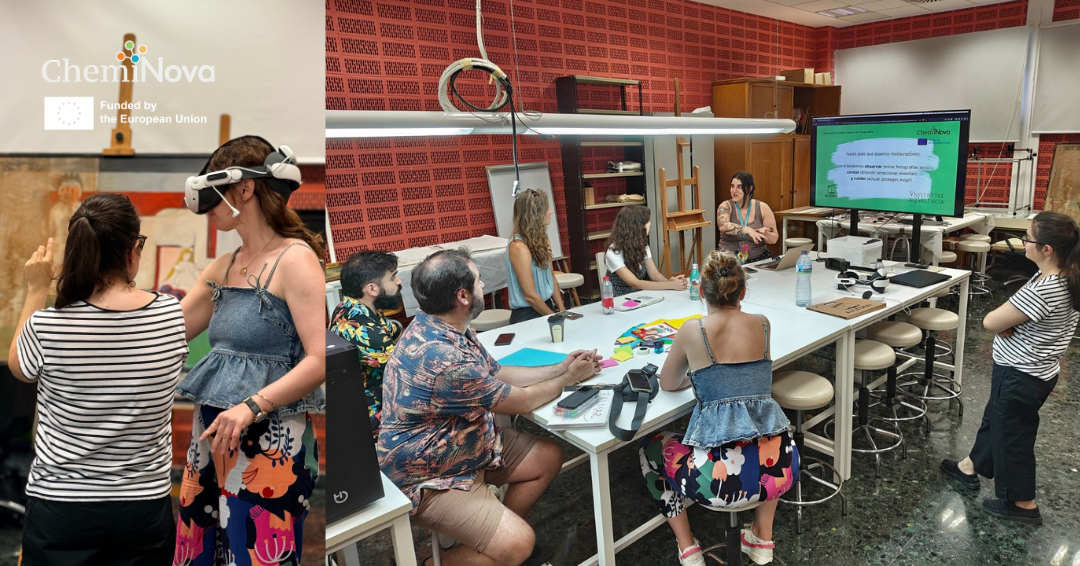
During the first session, participants explored a range of digital documentation techniques through hands-on demonstrations of mobile and handheld 3D scanning technologies, while also examining heritage objects using portable digital microscopes. These practical activities introduced participants to some of the tools currently used for heritage documentation and monitoring.
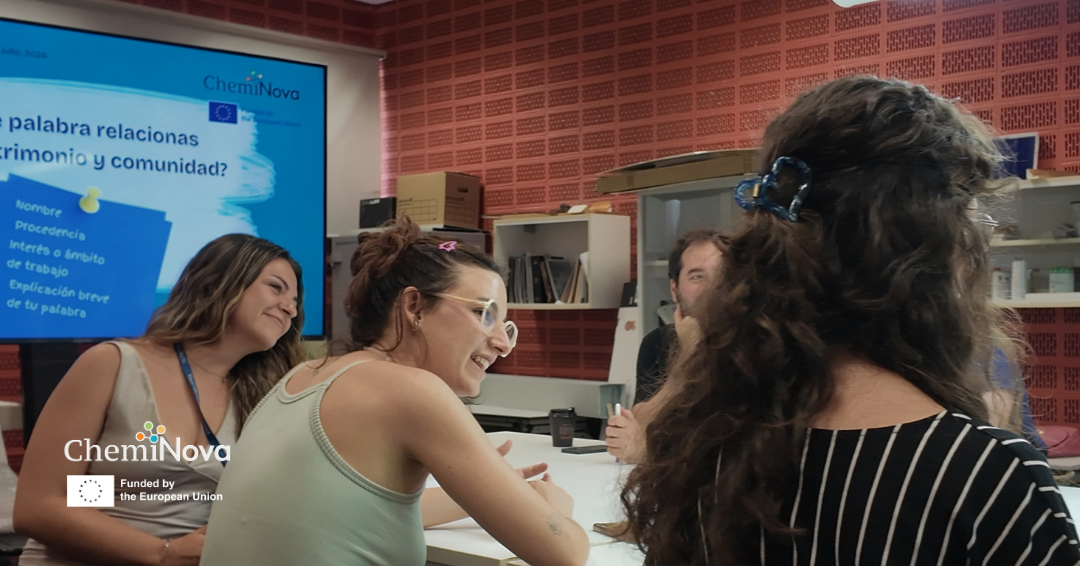
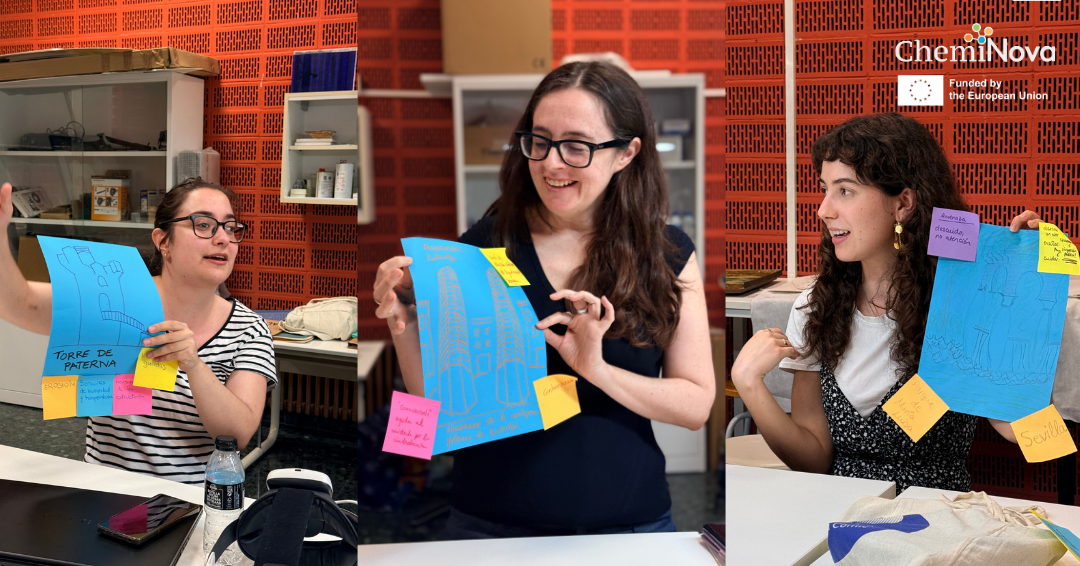
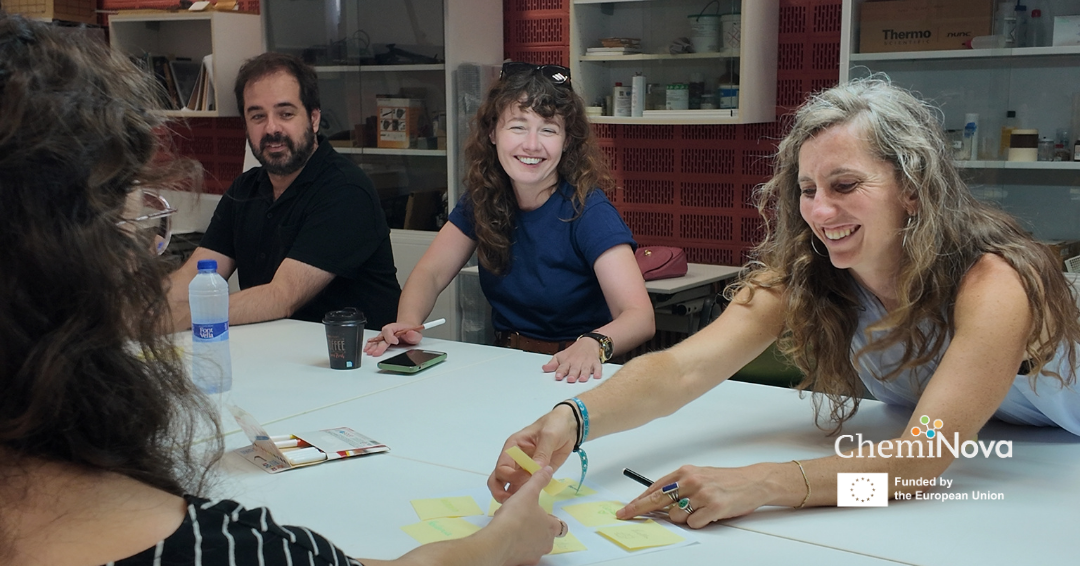
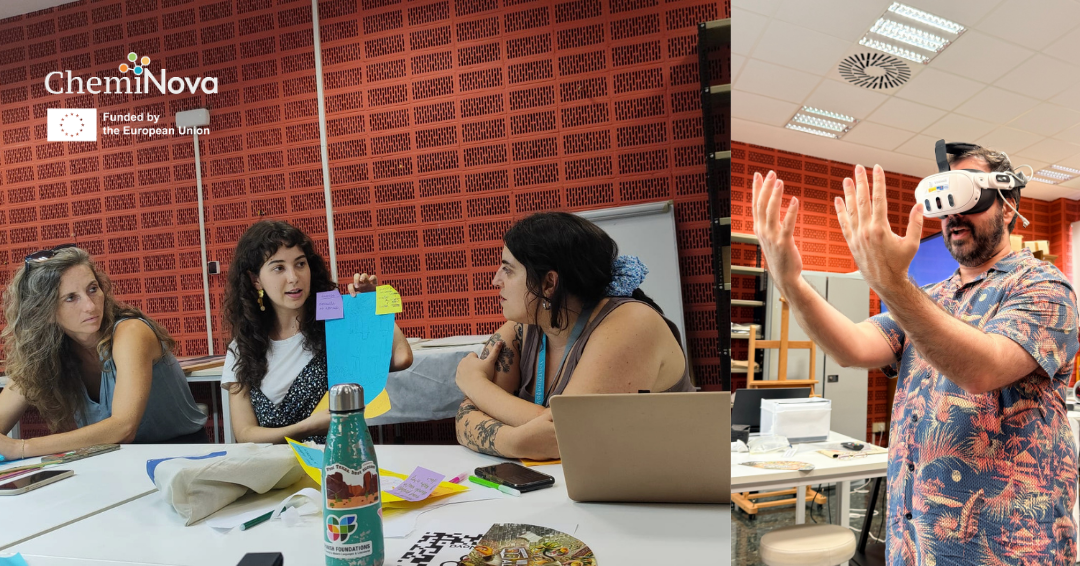
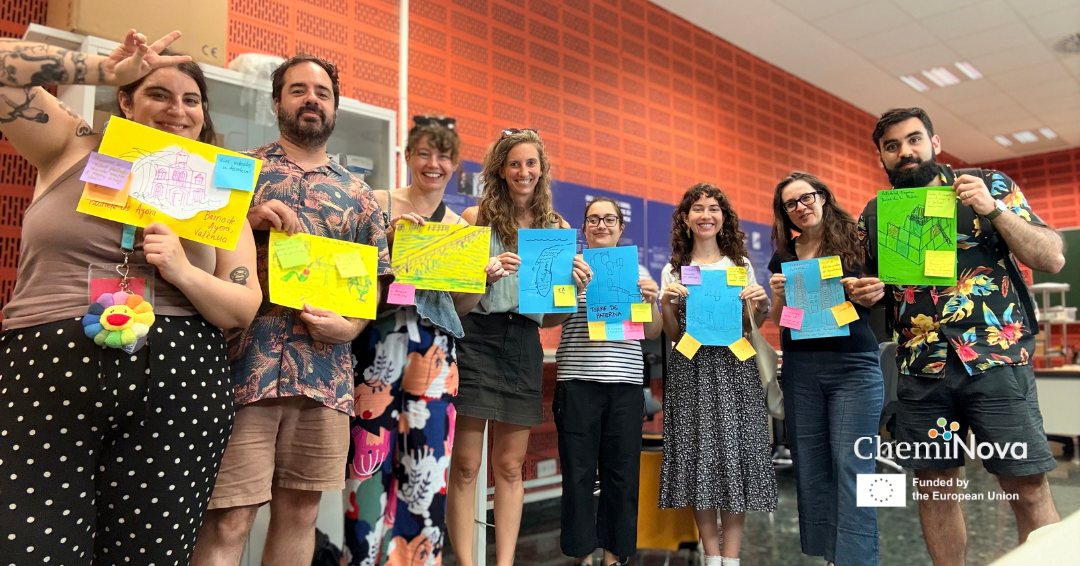
The second session shifted the focus towards dialogue and participation. Through a mediation activity, participants reflected on the relationships between heritage, collective memory and climate emergencies, discussing the role that communities can play in protecting cultural heritage and contributing valuable knowledge to projects such as ChemiNova.
The final session introduced immersive virtual reality experiences and concluded with a second mediation activity, encouraging participants to imagine new ways in which emerging technologies can support more inclusive, participatory and resilient approaches to heritage conservation.
Beyond the technologies presented, the workshop emphasised one of ChemiNova’s core principles: that successful heritage protection depends not only on innovation, but also on collaboration, dialogue and the active participation of communities.
We would like to express our sincere thanks to ALCESXXI for inviting ChemiNova to take part in this inspiring event, and to every participant who joined us throughout the three sessions. Their curiosity, generosity and willingness to share their experiences created a stimulating environment for discussion and mutual learning.
While we were pleased to present ChemiNova’s work and research, we also leave with new ideas, valuable insights and a renewed appreciation of how much we can learn from the communities with whom we work.